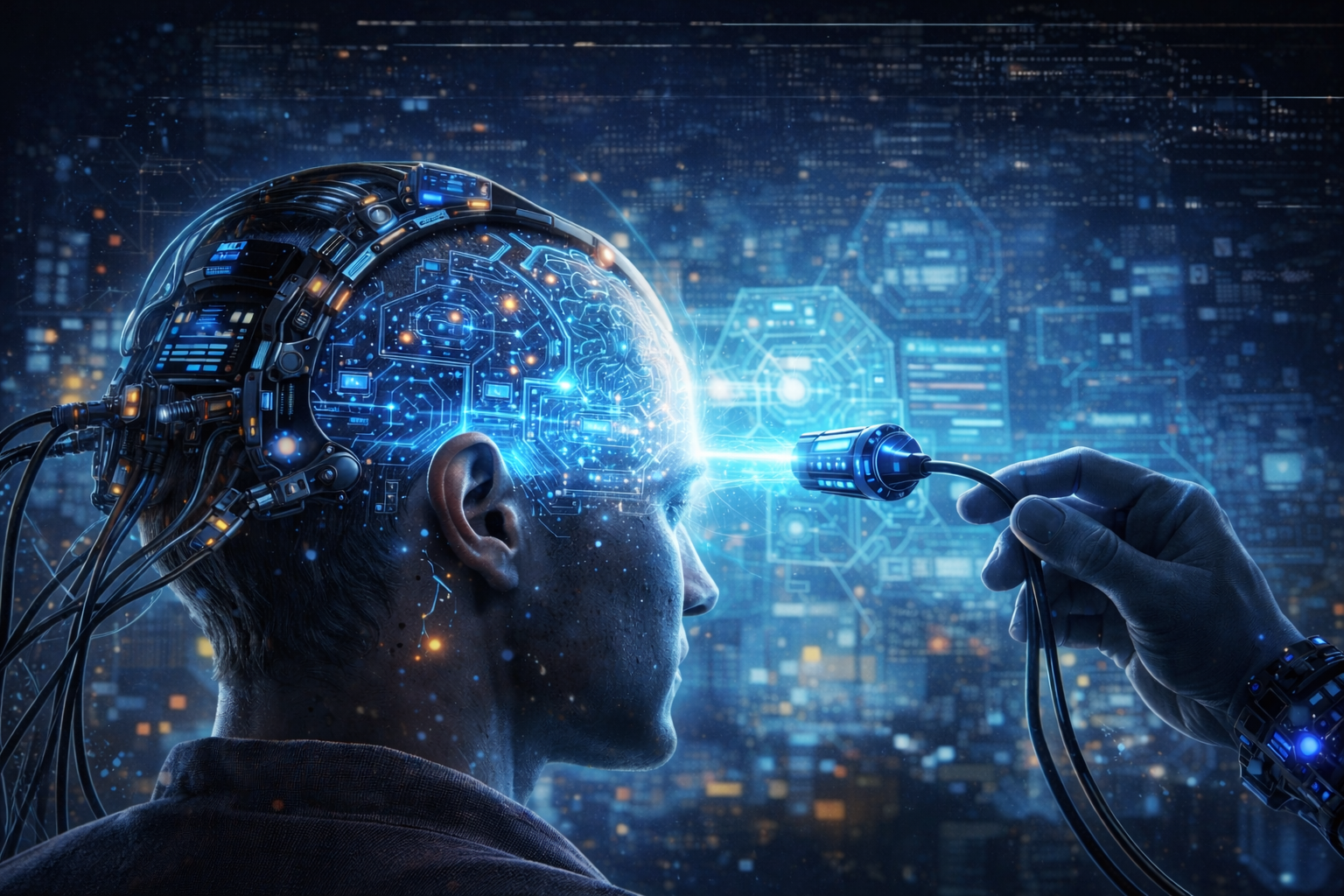
Okay, stay with me here. A few years ago, the idea of embedding a computer chip in your brain felt like something straight out of a dodgy sci-fi movie the kind where someone ends up being controlled by a corporation and things go very, very badly. But here we are in 2026, and it's not sci-fi anymore. It's becoming a genuine, funded, scientifically advancing conversation. And honestly? The pace of it is kind of wild.
We need to talk about it because whether you think this is exciting or terrifying (or both, which is completely valid), it's coming. And soon.
Wait, What Even Is a Brain Chip?
Let's get the basics out of the way. Brain-computer interfaces, or BCIs, are devices that create a direct communication channel between your brain and an external computer. Some are worn externally think headsets that pick up electrical signals through your skull. But the ones getting all the attention lately? Those go inside. A tiny chip, implanted directly into brain tissue, that can read and even send signals.
Neuralink has already implanted their device in human patients, and the early results have been genuinely remarkable: people with paralysis controlling computers, typing messages, and browsing the web using nothing but their thoughts. That part isn't speculation. That already happened.
So Why Might Healthy People Want One?
The medical use case is obvious and genuinely beautiful giving mobility and communication back to people who've lost it. But the direction the technology is pointing goes way beyond medicine, and that's where it gets interesting.
Think about what a seamlessly integrated AI chip could theoretically do: near-instant access to information without reaching for your phone, real-time language translation happening in your head, memory augmentation so you never forget a name or a conversation, and AI smart enough to help you learn new skills in a fraction of the normal time.
Sounds incredible, right? Or maybe it sounds like the setup for a Black Mirror episode. Probably both.
The Reasons It Might Happen Faster Than You Think
Technology timelines tend to feel slow until they suddenly don't. A few things are pushing BCIs along faster than most people realize.
First, AI itself is accelerating the value proposition. A brain chip connected to a genuinely intelligent AI system is a completely different beast from one connected to a dumb computer. The smarter AI gets, the more valuable a direct neural link becomes these two technologies are growing together.
Second, the hardware is shrinking and getting safer. The new generation of devices is smaller, wireless, and designed for far less invasive procedures. Some researchers are even working toward chips that could be injected rather than surgically implanted.
Third and this is the one people underestimate social pressure. Once some people start using this technology and gain measurable advantages in work or learning, "enhanced" versus "unenhanced" becomes a real category. That creates pressure, which creates demand.
The Parts That Should Give Us Pause
Privacy is a completely different beast when we're talking about your thoughts. Data leaks are annoying when it's your credit card number. What does a data leak look like when the data is literally your inner monologue? Who owns it? Who has access? What happens when the company that made your chip gets acquired or changes its terms of service?
Then there's the equity question. If cognitive enhancement becomes available but expensive, we're looking at a world divided not just by wealth or opportunity but by raw cognitive capability. That's a version of inequality that would be extremely hard to walk back.
The same technology that could give a paralyzed person their voice back could, in a different context, create a two-tier society split between the enhanced and everyone else. Both things can be true at once.
Where Does This Leave Us?
Somewhere between fascinated and cautious which seems like exactly the right place to be. The technology is real, the progress is real, and the trajectory points toward a world where some people will have AI embedded in their skulls within the next decade. Not everyone. Not immediately. But sooner than most of us are mentally prepared for.
The best thing any of us can do right now is pay attention not in a panic, but with genuine curiosity and a willingness to ask the hard questions before the decisions get made for us. Regulation, ethics, access, consent these conversations need to happen now, while there's still room to shape how this unfolds.
Because the chip might be small, but the questions it raises are enormous.
Would you ever get one? And under what conditions? It's one of those questions that says a lot about how you see the relationship between humans and technology.
TLEdu Ghana
Author at Tledu Ghana
Comments (0)
No comments yet. Be the first to share your thoughts!